Enhance Your Outdoor Space: Advantages of Professional Tree Cutting Services
Transforming a landscape can be a complex task. Hiring expert tree cutting services simplifies this process. These professionals bring specialized knowledge and skills, ensuring safe and effective tree removal. This improvement not only boosts curb appeal but also safeguards property value. Still, a significant number of homeowners ignore important components of tree care. Understanding the benefits and potential pitfalls can lead to better decision-making. What should homeowners consider before engaging these services?
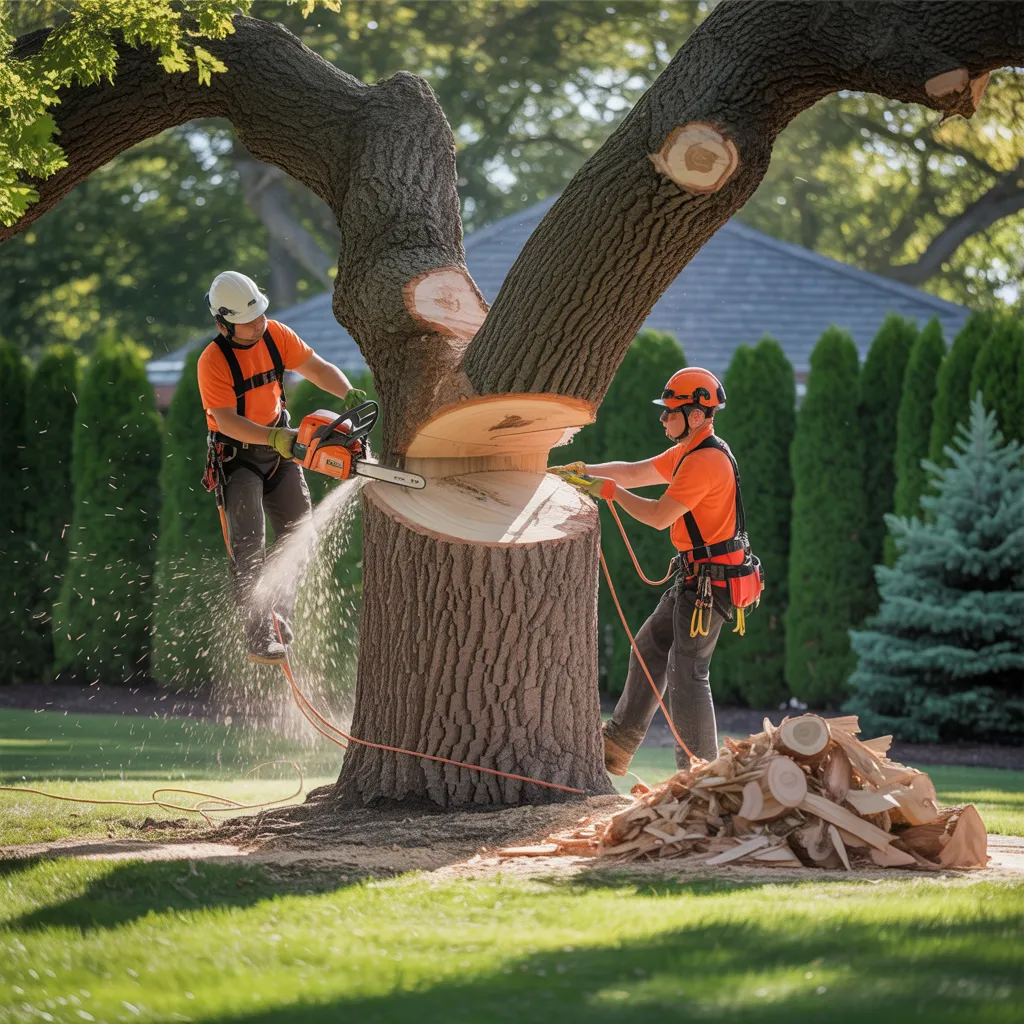
Why You Should Hire Professional Tree Cutting Services
When considering tree maintenance, many homeowners recognize the significant benefits of hiring professional tree cutting services. These professionals carry specialized knowledge about tree species, growing patterns, and optimal cutting techniques, ensuring that trees are pruned or removed correctly. This knowledge reduces the risk of damage to surrounding structures and landscapes, promoting a healthier environment.
In addition, skilled arborists are provided with the required instruments and safety apparatus, which are often expensive and require training to use effectively. This increases effectiveness while decreasing the probability of mishaps or injuries during the work. Beyond that, hiring professionals can save time and effort for homeowners, permitting them to direct their attention toward other critical matters.
Finally, tree cutting services can deliver helpful inspections of tree health, guiding residents on required upkeep and care. This proactive approach contributes to the overall health and appearance of the property.
How Tree Cutting Services Improve Safety
Expert tree cutting services significantly improve safety for homeowners and their properties. Overgrown or damaged trees pose significant hazards, including the risk of falling limbs during storms or high winds. These professionals evaluate tree health and structural stability, recognizing potential hazards before they develop into perilous circumstances.
Trained professionals employ advanced tools to carefully eliminate trees and limbs, reducing the risk of accidents that could harm people or damage property. Additionally, they implement safety protocols that ensure the safety of both personnel and the surrounding area.
The Way Tree Health Influences Property Value
The health of trees greatly influences property value, largely because of their aesthetic qualities and structural stability. Properly cared-for trees improve the visual appeal of a property, attracting potential buyers and increasing marketability. On the other hand, diseased or deteriorating trees can create safety hazards and diminish overall attractiveness, negatively impacting property values.
Tree Aesthetics and Appeal
Healthy trees greatly enhance the beauty and desirability of a property, affecting its market standing. Expertly managed trees establish a lush, inviting landscape, enticing interested buyers and enhancing property appearance. The presence of vibrant, healthy greenery can cultivate an atmosphere of calm and relaxation, making properties increasingly attractive. Additionally, full-grown trees deliver coverage and screening, improving exterior areas and promoting community gatherings. When trees are trimmed and sculpted by professionals, they exhibit a polished appearance that elevates the entire landscape. Conversely, neglected or unhealthy trees can detract from a property's visual appeal, perhaps diminishing its resale potential. Therefore, investing in expert tree cutting services guarantees that trees continue to be a benefit rather than a burden.
Structural Stability and Security
Even though healthy trees can improve a property's attractiveness, their structural integrity is just as critical for both safety and property value. Weak or diseased trees pose significant risks, including possible harm to structures and people. As limbs grow unstable or root systems deteriorate, the probability of dropping branches rises, jeopardizing both people and structures nearby. Property owners must understand that deteriorating trees can reduce home value, as potential buyers commonly shy away from undisclosed hazards. Periodic inspections by tree specialists can uncover concerns in detailed resource their early stages, making certain that trees add value to the surrounding environment. By prioritizing tree health and safety, property owners not only protect their investment but also foster an appealing environment that attracts potential buyers and enhances overall property worth.
Important Facts to Know Before Hiring Tree Care Experts?
How can homeowners guarantee they choose the right tree care experts? The first step is to carefully investigate any companies being considered. Reviewing online feedback and testimonials helps homeowners understand the quality of work a company delivers. Furthermore, it is critical to verify important credentials such as valid licenses and insurance; reliable tree care specialists are expected to maintain comprehensive insurance coverage to guard against any potential accidents.
Homeowners ought to also ask for thorough estimates that specify the scope of work, confirming that no hidden charges exist. It helps to ask about the methods and tools the company employs, as up-to-date techniques can boost both safety and efficiency. Furthermore, a dependable tree care professional will provide a consultation to discuss specific needs and provide tailored recommendations.
Ultimately, homeowners ought to rely on their gut feelings during the vetting process. Clear communication and a polished approach can indicate a company's commitment to quality service. By following these guidelines, homeowners can arrive at knowledgeable conclusions when hiring tree care experts.
The Top 5 Tree Care Errors Homeowners Should Avoid
Many homeowners unknowingly make vital mistakes in tree care which can cause long-term damage. One typical error involves improper pruning, that can undermine a tree's structure and foster disease. Furthermore, failing to mulch can cause soil erosion and moisture loss, harming root systems. Overwatering is another frequent mistake, as it can suffocate roots and invite fungal diseases. Homeowners may also fail to recognize signs of pest infestations, enabling infestations to grow and damage tree health. Finally, not considering a tree's mature size when planting can result in overcrowding, restricting growth and heightening competition for nutrients. Addressing these mistakes is essential for maintaining a vibrant landscape and ensuring the long-term health of trees. Through awareness of these pitfalls, homeowners can refine their tree care habits and foster a healthier environment.
Selecting the Best Tree Cutting Service for Your Needs
Selecting the best tree removal service can considerably impact the overall condition and appearance of a landscape. Residents should prioritize companies with certified arborists who have the required expertise in tree health and safe cutting practices. Reviewing customer testimonials and online reviews can reveal details regarding a service's reliability and quality. Furthermore, collecting various price quotes enables homeowners to assess costs and service options, guaranteeing they find a provider that meets their financial needs while maintaining high standards.
It is also essential to verify that the preferred service is fully insured and licensed, shielding the homeowner from liability risks. Asking about the tools and techniques used can additionally reflect a company's professional standards and safety commitment. Finally, a reliable tree cutting provider will provide a comprehensive evaluation of the trees, offering guidance on upkeep and long-term care to protect the overall landscape quality. Ultimately, thoughtful decision-making ensures homeowners find a service suited to their particular needs.
Common Questions and Answers
What Is the Typical Cost of Professional Tree Cutting Services?
Professional tree cutting services typically cost between $200 and $2,000, depending on factors such as the size of the tree, its location, and the difficulty of the work. Supplementary costs may be included for stump removal and other specialized services.
When Is the Best Time of Year for Tree Cutting?
The optimal time for cutting trees is generally the late winter through early spring period, before new growth begins. This timing minimizes stress on the tree and lowers the likelihood of disease spreading.
What Permits Are Required for Tree Cutting?
Yes, specific permits are often required for tree removal, depending on local regulations. Property owners should consult city officials to ensure compliance and prevent possible fines or legal complications related to unpermitted tree cutting.
What Are the Signs That a Tree Needs to Be Cut
A tree may need cutting when it displays symptoms of decay, dying limbs, or noticeable tilting. Additionally, should it threaten the safety of surrounding structures or people, consulting a professional for a thorough inspection is strongly advised.
What Equipment Is Used by Tree Cutting Specialists?
Tree service specialists commonly rely on axes, chainsaws, chippers, and pruning saws. Safety gear, including helmets, gloves, and harnesses, is essential. Furthermore, stump grinders and trucks are often used to facilitate effective debris removal and site cleanup.